Does Creatine Help With Weight Loss?
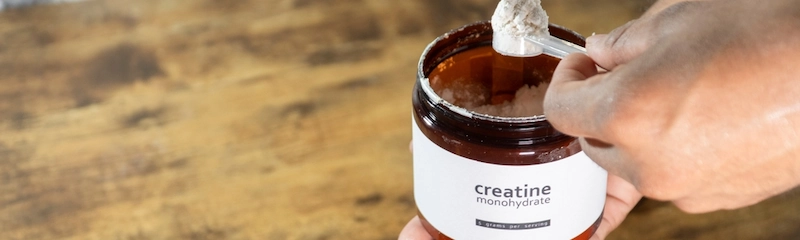
Seeing the number on the scale go up after starting a fitness supplement can be discouraging, especially when your goal is to lose weight. Creatine is often associated with muscle growth and exercise performance, but its effects on body weight can be confusing.
Does creatine help with weight loss? Not directly. Creatine is not a fat-burning supplement and does not produce the calorie deficit needed for weight loss. However, it may support improvements in body composition when combined with resistance training by helping people gain or maintain muscle. It can also cause a temporary increase in scale weight because muscles retain more water.
How Creatine Affects Weight and Body Composition
Creatine is a substance produced naturally by the body and found in foods such as meat and seafood. Most creatine is stored in the muscles, where it helps provide energy during brief, intense activities such as lifting weights or climbing stairs quickly. Creatine monohydrate is the most widely studied supplemental form.
When someone begins taking creatine, the scale may increase rather than decrease. The National Institutes of Health reports that creatine can increase water retention and may lead to a total weight gain of approximately 1 to 2 kilograms, or 2.2 to 4.4 pounds, during the first month of use with strength training. This increase does not necessarily represent additional body fat.
Body composition looks at the amounts of muscle, fat, bone and water in the body. A person may lose some fat and gain muscle without seeing a large change in total body weight. This is one reason the scale alone may not provide a complete picture of progress.
Can Creatine Support Fat Loss?
Creatine may indirectly support a weight-management plan by improving strength and exercise capacity. Greater training capacity may help someone complete more repetitions, gradually use heavier resistance and preserve muscle while losing weight.
Research does not show that creatine produces meaningful fat loss on its own. In a 2023 analysis of adults younger than 50, people who combined creatine with resistance exercise had a very small reduction in body-fat percentage compared with resistance exercise alone. However, there was no significant difference in the total amount of fat lost. The researchers also reported potential conflicts of interest related to the creatine industry, which should be considered when interpreting the findings.
For adults over 50, creatine combined with resistance training may be more useful for maintaining muscle, strength and physical function than for lowering the number on the scale. Preserving muscle can be especially important during aging or intentional weight loss.
What to Know Before Taking Creatine
Creatine is generally well studied in healthy adults, but supplements may not be appropriate for everyone. Possible effects include water-related weight gain and, less commonly, nausea, diarrhea or other digestive discomfort. People with kidney disease should speak with their healthcare team before using creatine because research in this population is limited.
Canadians should look for an eight-digit Natural Product Number, or NPN, on the label. An NPN indicates that Health Canada has authorized the natural health product for sale under its recommended conditions of use.
U.S. readers should know that the Food and Drug Administration does not approve dietary supplements before they enter the market. The FDA recommends discussing supplements with a doctor or pharmacist, particularly when taking prescription medications or managing a medical condition.
Creatine may complement a weight-management plan that includes nutrition, resistance exercise, aerobic activity and medical care when needed. It should not be viewed as a substitute for these measures. Speak with a licensed healthcare professional before starting creatine or making major changes to your exercise, supplement or weight-loss plan.
Does creatine burn belly fat?
No evidence shows that creatine specifically burns abdominal fat. Any small changes in body-fat percentage appear to be associated with using creatine alongside resistance training rather than a direct fat-burning effect.
Can creatine make you gain weight?
Yes. Creatine often increases water stored in muscle and may also support muscle gain over time. The scale may go up even when body fat has not increased.
Should you take creatine while trying to lose weight?
Some people use creatine to help maintain strength and muscle while losing weight. Whether it is appropriate depends on your health, medications, activity level and treatment goals.
Does HRT help with weight loss?
Hormone replacement therapy may ease symptoms such as hot flashes and sleep problems, but it does not cause weight loss by itself. It may modestly affect where fat is stored, but it should be prescribed for appropriate menopause-related indications rather than primarily for weight loss.
What type of creatine has been studied most?
Creatine monohydrate is the most widely used and researched form. Other forms have not been shown to provide superior absorption, performance or safety benefits.
IMPORTANT NOTE: The above information is intended to increase awareness of health information and does not suggest treatment or diagnosis. This information is not a substitute for individual medical attention and should not be construed to indicate that use of the drug is safe, appropriate, or effective for you. See your health care professional for medical advice and treatment.