How to Treat Dry Eyes During Allergy Season
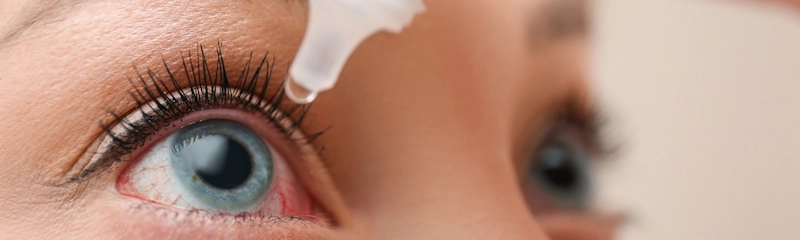
To treat dry eyes during allergy season, start by reducing allergen exposure, using lubricating artificial tears, applying cool compresses, avoiding eye rubbing, and taking breaks from screens or contact lenses when symptoms flare. If itchy eyes are mainly caused by allergies, antihistamine or mast-cell stabilizer eye drops may help. If dryness is chronic or persistent, an eye care professional may recommend prescription treatment.
Dry, itchy, red, or watery eyes can have several causes during allergy season. Pollen, mold, dust, wind, dry air, screen use, contact lenses, and some allergy medications can all contribute. If symptoms are painful, severe, one-sided, associated with vision changes, or do not improve, medical evaluation is important.
Why Allergy Season Can Make Dry Eyes Worse
Allergy season dry eyes can happen when airborne allergens irritate the surface of the eye. Common triggers include pollen, mold spores, grass, weeds, dust, and pet dander. When your eyes react to these allergens, they may become itchy, red, watery, swollen, or irritated.
At the same time, seasonal conditions can also worsen dryness. Wind, outdoor air, indoor air conditioning, lower humidity, and more time spent near fans or open windows can cause tears to evaporate more quickly. This can leave the eyes feeling gritty, scratchy, or tired.
The result is a frustrating mix of symptoms: your eyes may feel both watery and dry. This can happen because watery eyes are sometimes the body’s response to irritation, not necessarily a sign that the eyes are well lubricated.
Dry Eyes vs. Eye Allergies: What Is the Difference?
Dry eye and eye allergies can overlap, but they are not exactly the same.
Dry eye symptoms may include:
Burning
Stinging
Scratchy or gritty sensation
Feeling like something is in the eye
Blurred vision that comes and goes
Eye fatigue
Sensitivity to light
Difficulty wearing contact lenses
Watery eyes caused by irritation
Eye allergy symptoms may include:
Itching
Redness
Watery eyes
Swollen eyelids
Burning or irritation
Symptoms that worsen outdoors or around allergens
Sneezing, runny nose, or nasal congestion
A simple clue: itching is often more allergy-related, while burning, grittiness, and fluctuating blurry vision are often more dry-eye related. However, both can happen together, especially during allergy season.
What Helps Dry Itchy Eyes?
If you are wondering what helps dry itchy eyes, the best approach depends on whether the main problem is dryness, allergies, or both.
Helpful options may include:
Artificial tears to lubricate the eye and rinse away allergens
Cool compresses to calm itching and swelling
Avoiding rubbing your eyes
Washing your face and eyelids after outdoor exposure
Keeping windows closed on high-pollen days
Using sunglasses outdoors to reduce pollen and wind exposure
Replacing or cleaning contact lenses as directed
Using allergy eye drops when allergies are the main trigger
Speaking with an eye care professional if symptoms persist
For many people, a combination approach works best: reduce allergen exposure, lubricate the eyes, and treat allergy inflammation when needed.
1. Use Artificial Tears
Artificial tears are often one of the first steps for managing dry eyes during allergy season. They help add moisture, reduce friction, and may wash allergens from the eye surface.
Artificial tears may help with:
Dryness
Burning
Grittiness
Mild irritation
Watery eyes caused by dryness
Allergen exposure
If you need drops often, preservative-free artificial tears may be a better choice because some preservatives can irritate the eyes when used frequently. Ask a pharmacist or eye care professional which option may be appropriate for you.
Avoid confusing artificial tears with “redness relief” drops. Redness-relieving drops may temporarily make eyes look less red, but they do not treat the underlying dryness and may worsen irritation if overused.
2. Try a Cool Compress
A cool compress may help calm itching, swelling, redness, and irritation from eye allergies. Use a clean cloth dampened with cool water, then place it gently over closed eyes for several minutes.
Do not use the same cloth repeatedly without washing it, and do not press hard on the eyes. If you wear makeup, remove it gently before using a compress.
3. Avoid Rubbing Your Eyes
Rubbing your eyes can make allergy and dry eye symptoms worse. It may spread allergens, irritate the eye surface, and increase redness or swelling.
If your eyes itch, try artificial tears, a cool compress, or allergy eye drops recommended by a healthcare professional instead of rubbing.
4. Reduce Pollen and Allergen Exposure
During allergy season, small habits can reduce how much pollen reaches your eyes.
Consider:
Wearing wraparound sunglasses outdoors
Keeping windows closed during high-pollen periods
Showering or washing your face after being outside
Changing pillowcases regularly
Using a clean towel on your face
Avoiding outdoor activities when pollen counts are high, if possible
Keeping pets out of the bedroom if pet dander worsens symptoms
Using a properly maintained air filter indoors
These steps may not remove all exposure, but they can reduce the amount of allergen that reaches your eyes.
5. Take Screen Breaks
Screen use can worsen dry eyes because people tend to blink less while looking at phones, computers, and tablets. During allergy season, when the eye surface is already irritated, screen-related dryness can feel more noticeable.
Try the 20-20-20 approach: every 20 minutes, look at something about 20 feet away for about 20 seconds. Also remind yourself to blink fully and often.
6. Be Careful With Contact Lenses
Contact lenses can feel uncomfortable when eyes are dry or irritated. Pollen and allergens may also build up on lenses, especially during allergy season.
If your eyes are irritated, consider wearing glasses temporarily. If you continue wearing contacts, follow cleaning and replacement instructions carefully. Do not use medicated eye drops with contact lenses unless the product label or your eye care professional says it is safe.
If you use prescription dry eye drops such as Restasis, contact lenses usually need to be removed before use and reinserted only after the recommended waiting period.
7. Ask About Allergy Eye Drops
If itching is the main symptom, allergy eye drops may help. Some eye drops work by blocking histamine, while others help prevent allergy chemicals from being released.
Allergy eye drops may be helpful for:
Itching
Redness
Watery eyes
Allergy-related irritation
However, not all eye drops are right for every person. Some drops should not be used with certain eye conditions, such as glaucoma. Others should only be used short term. If you are unsure which type to use, ask a pharmacist, optometrist, ophthalmologist, or healthcare provider.
8. Review Oral Allergy Medicines
Some oral antihistamines may dry out the eyes in certain people. If your allergy medicine helps sneezing and runny nose but makes your eyes feel drier, ask a healthcare professional whether another option may be better.
Do not stop prescription medication without medical advice.
9. Consider Whether It Could Be Dry Eye Disease
If symptoms continue beyond allergy season or happen most days, you may have dry eye disease rather than simple seasonal irritation. Dry eye disease can occur when the eyes do not make enough tears or when tears evaporate too quickly.
Symptoms may include burning, stinging, gritty eyes, light sensitivity, redness, blurred vision, and trouble wearing contact lenses.
Canada Pharmacy has more information about dry eye disease on its related medical condition page. This can be a helpful internal resource for readers who want to understand chronic dryness, risk factors, and treatment options.
Where Restasis May Fit In
Restasis, also known as cyclosporine ophthalmic emulsion, is a prescription eye drop used for chronic dry eye. It works differently from artificial tears. Instead of simply lubricating the eye, Restasis helps reduce inflammation associated with chronic dry eye and may help increase tear production over time.
Restasis is not usually a quick-relief allergy drop. It is not meant to immediately stop pollen-related itching the way some allergy eye drops may. Instead, it may be considered when chronic dry eye symptoms are persistent and an eye care professional determines that prescription treatment is appropriate.
Canada Pharmacy provides more information about Restasis on its product page.
Use Restasis only as prescribed. Do not touch the dropper tip to your eye or other surfaces, and remove contact lenses before applying it. Some people may experience burning, stinging, redness, watery eyes, blurred vision, or irritation. If side effects are severe or do not improve, contact your healthcare provider.
When Should You See a Doctor for Dry, Itchy Eyes?
You should seek medical advice if symptoms are persistent, worsening, or interfering with daily life.
Get prompt medical attention if you have:
Eye pain
Sudden vision changes
Severe redness
Light sensitivity
Thick discharge or crusting
Injury to the eye
A foreign object sensation that does not improve
Symptoms in only one eye
Swelling around the eye
Contact lens-related pain or redness
Symptoms that do not improve with basic care
Recurrent eye infections
Dry eye symptoms that last beyond allergy season
These symptoms may suggest infection, corneal irritation, inflammation, or another eye condition that needs professional evaluation.
How to Prevent Dry Eyes During Allergy Season
Prevention may reduce flare-ups before symptoms become intense.
Helpful habits include:
Start allergy management before peak pollen season if advised by your healthcare provider
Use artificial tears before outdoor exposure
Wear sunglasses outside
Keep windows closed during high-pollen days
Avoid direct air from fans, vents, and car heaters
Use a humidifier if indoor air is dry
Clean eyelids gently if crusting or irritation occurs
Replace eye makeup regularly
Avoid sleeping in contact lenses unless specifically approved
Stay hydrated
Take screen breaks
Follow your eye care professional’s treatment plan if you have chronic dry eye
Frequently Asked Questions
How do you treat dry eyes during allergy season?
Dry eyes during allergy season may be managed with artificial tears, cool compresses, allergen avoidance, sunglasses, screen breaks, careful contact lens use, and allergy eye drops when itching is the main symptom. Persistent symptoms should be evaluated by an eye care professional.
Can allergies cause dry eyes?
Yes, allergies can make eyes feel dry, irritated, itchy, red, or watery. Allergens can irritate the eye surface, while wind, pollen, and some allergy medications may worsen dryness.
What helps dry itchy eyes fast?
Artificial tears, cool compresses, and avoiding eye rubbing may help relieve dry itchy eyes. If itching is allergy-related, antihistamine or mast-cell stabilizer eye drops may help. Severe or persistent symptoms should be checked.
Are watery eyes a sign of dry eyes?
They can be. Watery eyes may happen when the eyes are irritated and the body produces reflex tears. These tears may not always provide stable lubrication, so the eyes can still feel dry or gritty.
Is Restasis used for allergy season dry eyes?
Restasis is used for chronic dry eye, not as a fast allergy-relief drop. If allergy season worsens ongoing dry eye disease, an eye care professional may decide whether Restasis or another treatment is appropriate.
Should I use redness relief drops for dry eyes?
Redness relief drops are usually not the best choice for dry eyes. They may make eyes look less red temporarily, but they do not treat dryness and may worsen irritation if used too often.
When should I worry about dry itchy eyes?
You should seek medical advice if dry itchy eyes are painful, severe, one-sided, associated with vision changes, thick discharge, light sensitivity, contact lens pain, injury, or symptoms that do not improve.
Allergy season dry eyes are common because pollen, wind, dry air, screen use, contact lenses, and allergy-related inflammation can all irritate the eye surface. The best first steps are usually artificial tears, cool compresses, allergen avoidance, and avoiding eye rubbing.
If symptoms are mainly itchy, allergy eye drops may help. If symptoms are chronic, persistent, or linked with dry eye disease, prescription options such as Restasis may be considered by an eye care professional. Eye pain, vision changes, severe redness, discharge, or symptoms that do not improve should be evaluated promptly.
IMPORTANT NOTE: The above information is intended to increase awareness of health information and does not suggest treatment or diagnosis. This information is not a substitute for individual medical attention and should not be construed to indicate that use of the drug is safe, appropriate, or effective for you. See your health care professional for medical advice and treatment.