What Causes Swollen Feet in Hot Weather
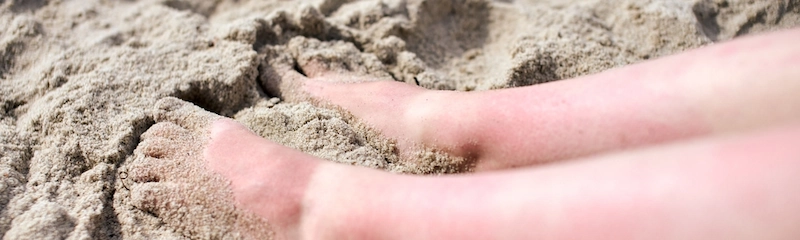
As environmental temperatures rise during the summer months, the human body initiates several complex mechanisms to regulate its core temperature. While sweating is the most apparent cooling response, the cardiovascular system also undergoes significant adjustments to shed excess heat. A highly common seasonal issue for many individuals is experiencing sudden puffiness in their lower limbs, leading them to ask, what causes swollen feet in hot weather.
Why Do Feet Swell in Heat
Feet swelling in heat is a natural cooling response known as vasodilation, where blood vessels near the surface of the skin widen. When blood vessels dilate, more blood flows toward the outer layers of the body to release heat into the surrounding air. However, gravity makes it much harder for veins to pump this increased volume of blood back up to the heart from the lower extremities. As blood pools in the lower legs and ankles, increased pressure forces fluid out of the blood vessels and into the surrounding tissues, causing noticeable puffiness.
Managing Swollen Feet in Summer
Swollen feet can make summer movement frustrating, especially when prolonged sitting, heat exposure, and high-sodium foods cause fluid to pool in your lower limbs. To boost poor circulation and return fluid to your blood vessels, you can use several natural relief strategies throughout the day.
Staying active by taking regular walking breaks and enjoying moderate exercise during cooler hours keeps blood flowing upward, while counteracting gravity by elevating your feet above your heart directly reduces swelling. Additionally, staying out of extreme heat and using cooling ice packs or foot soaks can calm expanded veins. Drinking plenty of water helps flush out excess salt, which can be further supported by eating natural dietary diuretics like leafy greens and wearing compression socks to prevent fluid accumulation.
High Blood Pressure and Seasonal Fluid Retention
For individuals managing high blood pressure, warm weather swelling requires extra attention. Chronic cardiovascular strain can inherently weaken the efficiency of the circulatory system, making it even more difficult for the body to manage the extra fluid shifts brought on by dilation and gravity.
Furthermore, certain medications commonly prescribed to treat high blood pressure, such as calcium channel blockers, work by widening the blood vessels. When these therapeutic effects combine with natural summer vasodilation, fluid pooling in the lower legs and ankles can become significantly more pronounced, leading to increased discomfort.
Licensed online pharmacies such as Canada Pharmacy offer a convenient alternative to traditional in person pharmacies for accessing required prescription care and circulatory monitoring tools. Having essential treatments delivered directly to the home reduces the need to travel when walking feels uncomfortable due to seasonal swelling.
Bottom Line
Widen blood vessels and fluid retention are natural responses to environmental heat, but they can place a temporary strain on lower-limb circulation, especially for those managing high blood pressure. Elevating the legs, staying well hydrated, and moving regularly are highly effective habits for reducing seasonal puffiness. With proper medical guidance and consistent treatment, many individuals are able to manage symptoms effectively and enjoy a healthy, comfortable summer.
IMPORTANT NOTE: The above information is intended to increase awareness of health information and does not suggest treatment or diagnosis. This information is not a substitute for individual medical attention and should not be construed to indicate that use of the drug is safe, appropriate, or effective for you. See your health care professional for medical advice and treatment.