What Causes Frequent Urination in Women
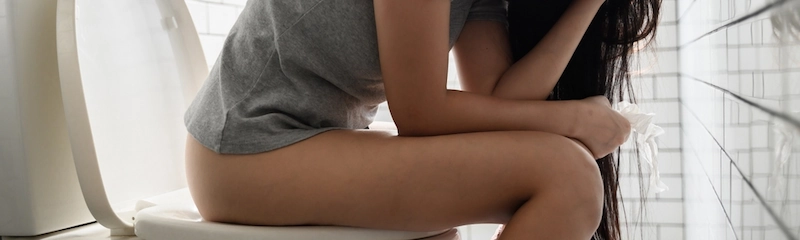
Frequent urination in women can be caused by many factors, including urinary tract infections, overactive bladder, pregnancy, diabetes, menopause-related changes, high fluid intake, caffeine, alcohol, certain medications, pelvic floor changes, bladder irritation, or other urinary conditions.
Sometimes the cause is simple, such as drinking more fluids than usual. Other times, frequent urination may be a sign of an infection or a medical condition that needs treatment. If you are asking, “Why am I peeing so often female?” and the symptom is new, persistent, painful, or affecting your sleep or daily routine, it is worth speaking with a healthcare professional.
What Is Considered Frequent Urination?
Frequent urination means needing to urinate more often than usual for you. Some people naturally urinate more often than others depending on fluid intake, diet, activity level, and health conditions.
A common sign of urinary frequency is needing to urinate eight or more times in 24 hours. Waking up at night to urinate is called nocturia. Occasional nighttime urination can happen, especially after drinking fluids close to bedtime, but frequent nighttime trips may suggest an underlying bladder or health issue.
It is also helpful to notice whether you are passing a normal amount of urine each time or only a small amount. Frequent small amounts may suggest bladder irritation or urgency, while very large amounts of urine may be linked to high fluid intake, diabetes, or certain medications.
Why Am I Peeing So Often Female?
Women may experience frequent urination for reasons related to the urinary tract, hormones, pregnancy, pelvic floor health, or lifestyle habits. Because the female urethra is shorter than the male urethra, women may also be more prone to urinary tract infections, which commonly cause frequent and urgent urination.
The most common frequent urination causes in women include:
Urinary tract infection
Overactive bladder
Pregnancy
Diabetes or high blood sugar
Drinking too much fluid
Caffeine or alcohol intake
Diuretic medications
Menopause-related urinary changes
Vaginal irritation or infection
Pelvic organ prolapse
Interstitial cystitis or bladder pain syndrome
Kidney stones or bladder stones
Constipation pressing on the bladder
Neurological conditions affecting bladder control
The right treatment depends on the cause, so it is important to look at related symptoms rather than focusing only on how often you urinate.
1. Urinary Tract Infection
A urinary tract infection, often called a UTI, is one of the most common causes of frequent urination in women. A UTI can irritate the bladder and make you feel like you need to urinate even when very little urine comes out.
Possible UTI symptoms include:
Frequent urge to urinate
Burning or pain while urinating
Cloudy, dark, bloody, or strong-smelling urine
Lower abdominal pressure or discomfort
Pelvic pain
Feeling tired or unwell
Fever or chills
Back or side pain
A UTI should be evaluated by a healthcare professional, especially if symptoms are painful, worsening, or accompanied by fever, chills, nausea, or back pain. These may suggest the infection has moved beyond the bladder.
2. Overactive Bladder
Overactive bladder is another common reason women may pee often. It happens when the bladder signals a need to urinate suddenly, even when it may not be full.
Overactive bladder symptoms may include:
Sudden urgency to urinate
Frequent bathroom trips
Waking at night to urinate
Urine leakage before reaching the bathroom
Feeling unable to delay urination
Overactive bladder is not the same as a UTI, although the symptoms can sometimes feel similar. A UTI often includes burning, pain, or cloudy urine, while overactive bladder is more commonly linked with urgency, frequency, and possible leakage.
Canada Pharmacy has more information about overactive bladder here.
3. Pregnancy
Frequent urination is common during pregnancy. Hormonal changes, increased blood flow, and pressure from the growing uterus can all make women need to urinate more often.
During early pregnancy, frequent urination may happen even before the uterus becomes large. Later in pregnancy, pressure on the bladder can make the urge to urinate more frequent.
Pregnant women should contact a healthcare professional if frequent urination comes with burning, pain, fever, pelvic pain, blood in the urine, or feeling generally unwell, as these may suggest a UTI or another condition that needs care.
4. Diabetes or High Blood Sugar
Frequent urination can be a symptom of diabetes or high blood sugar. When blood sugar is high, the body may try to remove extra sugar through the urine. This can lead to urinating more often and passing larger amounts of urine.
Other symptoms that may appear with diabetes-related frequent urination include:
Increased thirst
Fatigue
Blurry vision
Unexplained weight changes
Increased hunger
Slow-healing cuts or infections
Frequent yeast infections
If frequent urination is paired with unusual thirst, fatigue, or unexplained weight loss, it should be discussed with a healthcare provider.
5. Caffeine, Alcohol, and High Fluid Intake
Sometimes frequent urination is related to what you drink. Drinking large amounts of water, tea, coffee, soda, or other fluids can naturally increase urination.
Caffeine and alcohol may also increase bladder activity or urine production in some people. Coffee, tea, energy drinks, cola, and alcoholic beverages may make urinary urgency or frequency worse, especially in people with bladder sensitivity or overactive bladder.
If symptoms are mild, tracking fluid intake and bladder habits for a few days may help reveal whether certain drinks are contributing.
6. Medications and Diuretics
Some medications can make you urinate more often. Diuretics, sometimes called water pills, are designed to help the body remove extra fluid. They may be prescribed for conditions such as high blood pressure or fluid retention.
Other medications may also affect the bladder or urination patterns. Do not stop or change prescribed medication without speaking to your healthcare provider. If urinary frequency started after a new medication, ask a doctor or pharmacist whether it could be related.
7. Menopause and Hormonal Changes
Hormonal changes during perimenopause and menopause can affect the urinary tract and vaginal tissues. Lower estrogen levels may contribute to dryness, irritation, urgency, recurrent UTIs, or urinary leakage in some women.
Menopause-related urinary symptoms may include:
Frequent urination
Urgency
Burning or irritation
Recurrent UTIs
Leakage with urgency
Leakage with coughing, sneezing, or exercise
These symptoms are common, but they are not something women need to simply tolerate. A healthcare professional can help determine whether symptoms are related to menopause, infection, pelvic floor changes, or another cause.
8. Pelvic Floor Changes and Bladder Support
The pelvic floor muscles help support the bladder, uterus, and bowel. Pregnancy, childbirth, aging, constipation, chronic coughing, heavy lifting, and weight changes can affect pelvic floor strength.
When the pelvic floor is weakened or the bladder is not well supported, women may experience leakage, urgency, or frequent urination. Some women may also develop pelvic organ prolapse, where pelvic organs shift downward and put pressure on the bladder.
Symptoms may include:
Feeling pressure or heaviness in the pelvis
Urinary leakage
Frequent urination
Difficulty emptying the bladder fully
A bulging sensation in the vagina
Symptoms that worsen after standing or activity
Pelvic floor exercises, bladder training, and professional pelvic floor therapy may help some women, depending on the cause.
9. Vaginal Irritation or Infection
Vaginal infections or irritation may sometimes feel similar to urinary symptoms. Yeast infections, bacterial vaginosis, sexually transmitted infections, soaps, scented products, or irritation after sex can cause burning, discomfort, or a frequent urge to urinate.
Possible related symptoms include:
Vaginal itching
Unusual discharge
Odor
Burning
Pain during sex
Pelvic discomfort
Urinary discomfort
Because these symptoms can overlap with UTIs, it is best to get medical advice if symptoms persist or return.
10. Bladder Pain Syndrome or Interstitial Cystitis
Interstitial cystitis, also called bladder pain syndrome, can cause ongoing bladder pressure, pelvic pain, and frequent urination. Unlike a typical UTI, symptoms may occur without a bacterial infection.
Possible symptoms include:
Frequent urination
Urgency
Bladder or pelvic pain
Pain that improves temporarily after urinating
Symptoms that flare after certain foods, drinks, stress, or hormonal changes
This condition requires medical evaluation because treatment depends on symptoms, triggers, and ruling out other causes.
11. Constipation
Constipation may contribute to urinary frequency because the bowel and bladder are close together in the pelvis. When the bowel is full, it may put pressure on the bladder or interfere with normal bladder emptying.
Improving constipation may help reduce bladder pressure for some women. Drinking enough fluids, eating fiber-rich foods, staying active, and addressing medication-related constipation may be helpful, but persistent constipation should be discussed with a healthcare provider.
12. Less Common but Important Causes
Frequent urination can sometimes be linked to less common but more serious conditions, including kidney infection, bladder stones, kidney stones, bladder tumors, neurological disorders, or problems with bladder emptying.
These causes are less likely than UTI, overactive bladder, pregnancy, or lifestyle factors, but they should be considered if symptoms are severe, persistent, unusual, or associated with warning signs.
When Should Frequent Urination Be Checked?
Frequent urination should be reviewed by a healthcare professional if it is new, persistent, worsening, or interfering with your sleep, work, or daily activities.
Seek medical advice promptly if frequent urination comes with:
Burning or pain while urinating
Blood in the urine
Fever or chills
Back or side pain
Pelvic pain
Nausea or vomiting
New urine leakage
Difficulty starting urination
Feeling unable to empty the bladder
Unexplained weight loss
Increased thirst
Pregnancy
Symptoms after starting a new medication
Frequent nighttime urination
Urgent care may be needed if you have fever, severe pain, vomiting, confusion, signs of dehydration, or symptoms of a kidney infection.
How Doctors May Evaluate Frequent Urination
A healthcare provider may ask about your symptoms, fluid intake, medications, pregnancy status, menstrual or menopause changes, sexual health, and whether urination is painful.
Evaluation may include:
Urine test to check for infection, blood, or glucose
Pregnancy test when relevant
Blood sugar testing
Kidney function testing
Bladder diary
Pelvic exam
Review of medications
Testing for vaginal infections or STIs when needed
Referral to a urologist or urogynecologist for persistent symptoms
A bladder diary can be especially useful. For a few days, track how often you urinate, how much fluid you drink, what you drink, whether urgency occurs, and whether leakage happens.
Treatment Depends on the Cause
Treatment for frequent urination in women depends on what is causing it.
For example:
A UTI may require antibiotics.
Overactive bladder may improve with bladder training, pelvic floor exercises, lifestyle changes, or prescription medication.
Diabetes-related urinary frequency requires blood sugar evaluation and management.
Menopause-related symptoms may need specific treatment.
Medication-related urination may require a medication review.
Pelvic floor problems may improve with pelvic floor therapy.
For overactive bladder, Canada Pharmacy’s condition page describes behavioral strategies such as pelvic floor exercises, maintaining a healthy weight, scheduled toilet trips, and bladder training. Some prescription medications may also be used when appropriate.
Detrol, also known as tolterodine, is one prescription medication used for symptoms of overactive bladder, including urinary frequency, urgency, and urge incontinence. It works by helping relax bladder muscles, which may reduce urgent or frequent trips to the bathroom. You can learn more about Detrol here.
Detrol is not suitable for everyone and should only be used when prescribed by a healthcare professional.
What You Can Try at Home for Mild Symptoms
If symptoms are mild and there are no warning signs, simple bladder-friendly habits may help.
Consider:
Reducing caffeine and alcohol
Avoiding fluids right before bedtime
Staying hydrated earlier in the day
Avoiding bladder irritants if they trigger symptoms
Treating constipation
Practicing pelvic floor exercises correctly
Keeping a bladder diary
Scheduling bathroom trips instead of going “just in case”
Maintaining a healthy weight
Speaking with a pharmacist or doctor before using medications
Do not delay medical care if symptoms include pain, blood, fever, pregnancy, or sudden changes in urination.
Frequently Asked Questions
What causes frequent urination in women?
Frequent urination in women may be caused by urinary tract infections, overactive bladder, pregnancy, diabetes, menopause, caffeine, alcohol, high fluid intake, diuretic medications, pelvic floor changes, vaginal irritation, constipation, or bladder conditions.
Why am I peeing so often female with no pain?
Frequent urination without pain may be related to overactive bladder, high fluid intake, caffeine, alcohol, pregnancy, diabetes, anxiety, medication effects, or pelvic floor changes. If it continues or affects sleep, it should be medically reviewed.
Can overactive bladder cause frequent urination in women?
Yes. Overactive bladder can cause sudden urgency, frequent bathroom trips, nighttime urination, and sometimes urine leakage. It is one of the common causes of frequent urination in women.
Can a UTI make women pee more often?
Yes. A UTI can cause frequent urination, urgency, burning, lower abdominal pressure, cloudy urine, strong-smelling urine, or blood in the urine. Medical evaluation is recommended if UTI symptoms are present.
Can menopause cause frequent urination?
Menopause may contribute to urinary urgency, frequency, recurrent UTIs, or leakage because hormonal changes can affect urinary and vaginal tissues.
When should I worry about frequent urination?
You should seek medical advice if frequent urination is new, persistent, painful, or associated with blood in the urine, fever, back pain, pelvic pain, increased thirst, unexplained weight loss, pregnancy, or difficulty emptying the bladder.
Frequent urination in women can happen for many reasons. Sometimes it is related to fluids, caffeine, or temporary changes. Other times, it may be caused by a UTI, overactive bladder, diabetes, pregnancy, menopause, pelvic floor changes, or another medical condition.
If you are wondering, “Why am I peeing so often female?” pay attention to related symptoms such as pain, urgency, leakage, fever, blood in the urine, or increased thirst. Persistent or concerning symptoms should be evaluated so the underlying cause can be identified and treated appropriately.
IMPORTANT NOTE: The above information is intended to increase awareness of health information and does not suggest treatment or diagnosis. This information is not a substitute for individual medical attention and should not be construed to indicate that use of the drug is safe, appropriate, or effective for you. See your health care professional for medical advice and treatment.