Which GLP-1 Is Best for Weight Loss
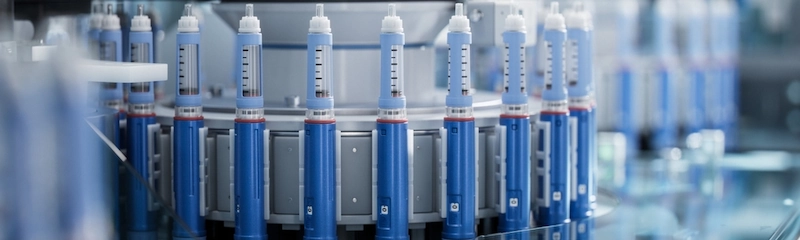
For people asking which glp-1 is best for weight loss, tirzepatide, sold as Zepbound, has produced greater average weight loss than standard-dose semaglutide, sold as Wegovy, in a direct clinical trial. However, no medication is best for every patient. The right choice depends on FDA-approved eligibility, medical history, side effects, treatment goals, insurance coverage and whether a person has conditions such as type 2 diabetes or cardiovascular disease.
A licensed U.S. healthcare provider should determine whether any GLP-1 or related medication is appropriate. These medicines require a valid prescription and should be used with nutrition, physical activity and ongoing medical monitoring.
How Do GLP-1 Medications Work?
GLP-1 medications imitate the effects of glucagon-like peptide-1, a hormone involved in appetite and blood sugar regulation. Depending on the specific medication, they may:
Increase feelings of fullness after eating
Reduce hunger and food intake
Slow stomach emptying
Support insulin release when blood sugar is elevated
Reduce glucagon, a hormone that can raise blood sugar
Tirzepatide is slightly different because it activates both GLP-1 and glucose-dependent insulinotropic polypeptide, or GIP, receptors. It is commonly discussed alongside GLP-1 medications even though it is technically a dual GIP/GLP-1 receptor agonist.
Weight loss is not simply proof that a medication is working appropriately. A healthcare provider should also assess nutrition, side effects, muscle preservation, blood sugar, other health conditions and whether the treatment remains safe.
Which GLP-1 Is Best for Weight Loss Based on Effectiveness?
Among commonly used injectable treatments, Zepbound has some of the strongest direct evidence for average weight reduction.
In a 72-week head-to-head study involving adults with obesity who did not have type 2 diabetes, participants receiving tirzepatide lost an average of approximately 20.2% of their starting weight. Those receiving semaglutide at the approved doses studied lost approximately 13.7%. These were group averages, not guaranteed individual outcomes.
Earlier placebo-controlled studies also found average weight reductions of up to approximately 20.9% with higher-dose Zepbound in adults without diabetes. Participants with type 2 diabetes generally experienced smaller average reductions.
This does not make Zepbound automatically appropriate for every patient. Someone may respond better to semaglutide, tolerate it more easily or have a medical reason to choose another option.
The comparison also has an important limitation: the head-to-head trial evaluated established doses of Zepbound and Wegovy. It did not compare Zepbound with every newer semaglutide formulation, including the 7.2 mg Wegovy HD injection approved in 2026. Results from separate trials should not be treated as though the medications were tested directly against one another.
How the Main Weight-Loss Options Compare
Zepbound: Tirzepatide
Zepbound is FDA-approved for chronic weight management in adults with obesity or adults with overweight who also have at least one weight-related condition. It is administered as a once-weekly injection and is used with a reduced-calorie eating plan and increased physical activity.
Zepbound may be considered when maximizing average weight reduction is a major treatment goal. Its dual GIP and GLP-1 activity may contribute to its effects on appetite and food intake.
Mounjaro also contains tirzepatide, but its primary FDA-approved purpose is improving blood sugar control in adults with type 2 diabetes. Brand names are not interchangeable simply because they contain the same active ingredient.
Wegovy: Semaglutide
Wegovy is FDA-approved for long-term weight management in eligible adults and certain adolescents. It is available in injectable and oral formulations for different approved populations and indications.
The standard weekly injection produced an average weight reduction of approximately 14.9% after 68 weeks in a major study of adults without type 2 diabetes. People with type 2 diabetes experienced an average reduction of approximately 9.6% in a separate study.
Wegovy also has an FDA-approved cardiovascular indication for reducing the risk of cardiovascular death, heart attack and stroke in certain adults with established cardiovascular disease and obesity or overweight. This additional indication may influence a provider’s recommendation.
In 2026, the FDA approved Wegovy HD, a 7.2 mg injectable dose, for eligible adults. It provided additional average weight reduction compared with previously approved semaglutide doses, but it has not been directly compared with Zepbound in the same type of head-to-head trial.
Foundayo: Orforglipron
Foundayo is an oral GLP-1 receptor agonist approved for weight management in eligible adults. Unlike peptide-based oral semaglutide, it can provide an oral option without a weekly injection.
In clinical trials, the highest evaluated dose produced an average weight reduction of approximately 11.1% after 72 weeks in participants without type 2 diabetes and 9.6% in participants with type 2 diabetes. These findings cannot be directly compared with percentages from unrelated Zepbound or Wegovy studies because the study designs and participant groups differed.
Saxenda: Liraglutide
Saxenda is a daily injectable GLP-1 medication approved for chronic weight management in eligible adults and certain adolescents. It generally produces less average weight loss than newer weekly treatments, based on separate clinical programs.
It may still be considered when a patient cannot use or access another option, has previous experience with liraglutide or needs a treatment plan that can be adjusted on a daily schedule.
What About Ozempic, Rybelsus and Mounjaro?
Ozempic, Rybelsus and Mounjaro are primarily diabetes medications, not interchangeable substitutes for FDA-approved weight-management brands.
Ozempic and Rybelsus contain semaglutide and are prescribed for adults with type 2 diabetes under their approved labeling. Some patients lose weight while taking them, but that does not make weight loss their primary FDA-approved purpose. Prescribing one specifically for weight management may be considered off-label unless the chosen product has a weight-management indication.
U.S. customers who have a valid prescription can review available strengths of Ozempic tablets containing semaglutide through Canada Pharmacy. Ozempic tablets are taken once daily and are not interchangeable milligram-for-milligram with injectable Ozempic, Rybelsus or Wegovy. The product is intended for type 2 diabetes rather than as an FDA-approved weight-loss drug.
A Canadian pharmacy can dispense medication when applicable prescription and ordering requirements are met, but it does not replace diagnosis, prescribing or follow-up care from a licensed healthcare professional.
Choosing the Right Weight Loss Medication
The best weight loss medication is not necessarily the one associated with the largest trial percentage. It is the medication that offers a reasonable balance of potential benefit, safety, tolerability and practical access for the individual patient.
A U.S. healthcare provider may consider:
Current BMI and weight-related health conditions
Type 2 diabetes, prediabetes or cardiovascular disease
History of pancreatitis, gallbladder problems or severe digestive disease
Kidney or liver function
Diabetic retinopathy
Pregnancy or plans to become pregnant
Current prescriptions, including insulin or sulfonylureas
Ability to follow injection or tablet instructions
Insurance coverage and long-term affordability
Previous response to weight-management treatment
FDA-approved eligibility commonly includes adults with a BMI of at least 30, or a BMI of at least 27 with a weight-related condition such as high blood pressure, high cholesterol or type 2 diabetes. Eligibility alone does not establish that a medication is safe for a particular person.
Dosage and How Quickly Results May Occur
GLP-1 medications are usually started at a lower dose and increased gradually to reduce gastrointestinal side effects. Patients should not increase a dose early, take extra medication after a missed dose or switch between brands without instructions from their healthcare provider.
The prescribed dose depends on the medication and formulation, its approved purpose, kidney or liver function, other health conditions, tolerance and treatment response. Semaglutide tablets and injections are not interchangeable on a milligram-for-milligram basis.
Changes in appetite may occur during the first several weeks, but meaningful weight reduction usually develops over months. Many major studies evaluated results after approximately 68 to 72 weeks, including a gradual dose-escalation period. Early results do not reliably predict a person’s eventual outcome.
Common Side Effects
The most common side effects of GLP-1 and related medications involve the digestive system.
They may include:
Nausea
Diarrhea
Vomiting
Constipation
Abdominal discomfort
Indigestion
Decreased appetite
Side effects may be more noticeable when treatment begins or the dose changes. Persistent vomiting, diarrhea or inability to drink enough fluids should be reported because dehydration can contribute to kidney problems.
Serious Risks and Contraindications
Many GLP-1 medications carry a boxed warning about thyroid C-cell tumors observed in animal studies. It is unknown whether the same risk occurs in humans. These medications are generally contraindicated in people with a personal or family history of medullary thyroid carcinoma or Multiple Endocrine Neoplasia syndrome type 2.
Other potentially serious concerns may include:
Pancreatitis
Gallstones or gallbladder inflammation
Severe gastrointestinal reactions
Kidney injury related to dehydration
Serious allergic reactions
Low blood sugar when combined with insulin or sulfonylureas
Worsening diabetic retinopathy with certain semaglutide treatments
Possible aspiration risk during anesthesia or deep sedation
Immediate medical attention may be appropriate for severe or persistent abdominal pain, trouble breathing, swelling of the face or throat, fainting, severe dehydration or symptoms of very low blood sugar.
Patients should tell surgical and anesthesia teams that they use a GLP-1 medication because these treatments can delay stomach emptying. They should also inform their provider about pregnancy, breastfeeding or plans for pregnancy.
Combining two GLP-1 medications, or using multiple products containing semaglutide or tirzepatide, is generally not recommended.
Questions to Ask a Healthcare Provider
Before starting treatment, consider asking:
Is this medication FDA-approved for my specific condition?
Do I meet the treatment eligibility requirements?
How could my existing conditions affect the risks?
Could it interact with my current prescriptions?
What side effects should I report immediately?
How will my blood sugar, kidney function or other health measures be monitored?
What happens if I cannot tolerate the planned maintenance dose?
Is this a realistic long-term treatment option based on coverage and cost?
For patients comparing average weight reduction, tirzepatide currently has stronger head-to-head results than standard-dose semaglutide. However, newer options, including higher-dose and oral GLP-1 treatments, provide additional choices that have not all been directly compared.
Ultimately, which glp-1 is best for weight loss depends on more than a trial average. The safest and most appropriate option must account for FDA-approved indications, medical history, treatment goals, side effects and access. A licensed U.S. healthcare provider should evaluate these factors and provide ongoing monitoring.
Which glp-1 is best for weight loss?
Zepbound produced greater average weight loss than standard-dose Wegovy in a direct 72-week study. However, individual response, side effects, medical conditions and approved eligibility determine which medication is most appropriate.
Is Ozempic FDA-approved for weight loss?
No. Ozempic’s primary FDA-approved purpose is treating adults with type 2 diabetes and reducing certain cardiovascular risks in eligible patients. Wegovy contains the same active ingredient, semaglutide, but has FDA-approved weight-management indications.
Is Zepbound a GLP-1 medication?
Zepbound is a dual GIP and GLP-1 receptor agonist. It is commonly grouped with GLP-1 medications, but it acts on two hormone receptors rather than only GLP-1.
Can someone use a GLP-1 without diabetes?
Yes. Certain products, including Zepbound, Wegovy, Saxenda and Foundayo, are approved for weight management in eligible people who do not have diabetes. A healthcare provider must confirm eligibility and screen for contraindications.
Which GLP-1 causes the fewest side effects?
There is no single option with the fewest side effects for everyone. Digestive symptoms are common across the class, but their severity varies by medication, dose, escalation schedule and individual tolerance.
Can two GLP-1 medications be taken together?
Combining GLP-1 medications or using multiple products containing the same active ingredient is generally not recommended. Doing so may increase side effects and should not be attempted without specialist guidance.
Are GLP-1 medications intended for quick weight loss?
No. They are prescription treatments intended for long-term disease management in eligible patients. Results develop gradually, vary substantially and should be monitored alongside nutrition, physical activity and overall health.
IMPORTANT NOTE: The above information is intended to increase awareness of health information and does not suggest treatment or diagnosis. This information is not a substitute for individual medical attention and should not be construed to indicate that use of the drug is safe, appropriate, or effective for you. See your health care professional for medical advice and treatment.