What is a Generic Drug?
A generic drug is a copy of the brand-name drug with the same dosage, safety, strength, quality, consumption method, performance, and intended use. Before generics become available on the market, the generic company must prove it has the same active ingredients as the brand-name drug and works in the same way and in the same amount of time in the body.
The only differences between generics and their brand-name counterparts is that generics are less expensive and may look slightly different (eg. different shape or color), as trademarks laws prevent a generic from looking exactly like the brand-name drug.
Generics are less expensive because generic manufacturers don't have to invest large sums of money to develop a drug. When the brand-name patent expires, generic companies can manufacture a copy of the brand-name and sell it at a substantial discount.
Vetmedin (Pimobendan)
Also Known as Vetmedin
 Prescription Required

-
Related Products & Conditions
-
Product Details
Description
What is the purpose of Vetmedin?
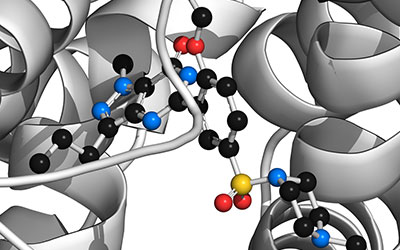
Vetmedin (pimobendan) is a prescription heart medication for dogs with myxomatous mitral valve disease (MMVD), the most common heart disease in dogs. It helps the heart pump more effectively and relaxes blood vessels, so the heart does not have to work as hard. Vetmedin-CA1 is conditionally approved by the FDA to delay congestive heart failure in dogs with Stage B2 MMVD, meaning they have a heart murmur and an enlarged heart but no apparent signs yet. It is for dogs only and comes as meat-flavored chewable tablets.
Fact Table
Formula
C9H13NO3
License
US FDA
Bioavailability
60 to 65%
Legal status
US: RX Only
Chemical Name
Pimobendan
Elimination half-life
0.4 hours
Dosage (Strength)
1.25mg (50 tablets), 5mg (50 tablets)
Pregnancy
Consult a doctor
Brands
Vetmedin, Pimobendan
Protein binding
90-95%
PubChem CID
4823
MedlinePlus
a619020
ChEBI
32003
ATC code
-
DrugBank
DB11450
KEGG
D01133
Routes of administration
Oral
Directions
Give Vetmedin by mouth exactly as prescribed by your veterinarian. The total daily dose is 0.23 mg per pound of body weight (0.5 mg per kg), split into two doses about 12 hours apart, usually in the morning and evening. The two doses may not be the same size, and your veterinarian will round the dose to the nearest half tablet. Give Vetmedin every day as directed.
If your dog vomits after a dose, call your veterinarian and do not give another tablet until the next scheduled dose unless they tell you to. Keep follow-up visits, and contact your veterinarian if your dog has trouble breathing, faster breathing while resting, fainting, an unusual heartbeat, or a worsening cough.
Ingredients
The active ingredient in Vetmedin is pimobendan.
Cautions
Before using this medication, you may want to consult a veterinarian about the following:
- Any existing health conditions your dog has
- Any known allergies
- A list of all medications and supplements your dog is currently taking
This product is for dogs with Stage B2 preclinical MMVD. The diagnosis should be confirmed by a thorough heart exam, including X-rays and an echocardiogram, or heart ultrasound, before starting treatment. Starting too early, before the heart is enlarged, can put the dog at risk of heart damage.
Vetmedin-CA1 has not been evaluated in dogs already receiving other heart medications. Its beneficial effects on the pumping of the heart may be reduced if it is given with a beta-blocker or a calcium channel blocker.
Safety has not been established in dogs younger than 6 months, dogs with congenital heart defects, dogs with diabetes or other serious metabolic diseases, dogs used for breeding, or pregnant or nursing dogs.
Vetmedin-CA1 is conditionally approved by the FDA, meaning its effectiveness for this use is still being confirmed through ongoing testing.
This product is for animal use only and is not for use in humans. Keep it out of reach of children, and store it in a secure place away from dogs, cats, and other animals to prevent accidental overdose. If a person accidentally swallows it, consult a physician and show them the product label.
Store at room temperature, 20°C to 25°C (68°F to 77°F).
Contraindications
Avoid using this medication if any of the following apply:
- Dogs with hypertrophic cardiomyopathy, aortic stenosis, or any other condition in which increasing the heart’s output would be harmful.
- Dogs with Stage A or B1 preclinical MMVD, or heart disease without an enlarged heart, because of the risk of heart damage from an exaggerated response to the medication.
Side Effects
Common side effects reported in dogs taking Vetmedin include:
- Cough, the most commonly reported
- Lethargy, or low energy
- Reduced appetite
- Vomiting or diarrhea
- Localized pain, such as in the neck or legs, lameness, or arthritis
Some adverse effects, such as cough, fast breathing, also called tachypnea, fainting, also called syncope, and abnormal heart rhythms, may also indicate the natural progression of the heart disease rather than the medication itself. Other reactions reported include urinary tract infection and seizure. Because coughing and breathing changes can signal that heart disease is progressing, contact your veterinarian if your dog develops a worsening cough, labored breathing, a faster resting breathing rate, fainting, or an abnormal heart rhythm. Contact your veterinarian if your dog develops any serious or concerning problems while taking Vetmedin.
References
Vetmedin-CA1, pimobendan, Chewable Tablets Drug Label Information. Duluth, GA: Boehringer Ingelheim Animal Health USA Inc.; 2024.

IMPORTANT NOTE: The above information is intended to increase awareness of health information and does not suggest treatment or diagnosis. This information is not a substitute for individual medical attention and should not be construed to indicate that use of the drug is safe, appropriate, or effective for you. See your health care professional for medical advice and treatment.Product Code : 9788
-
Product Reviews